Basic Flagger MOT/TTC

$450.00
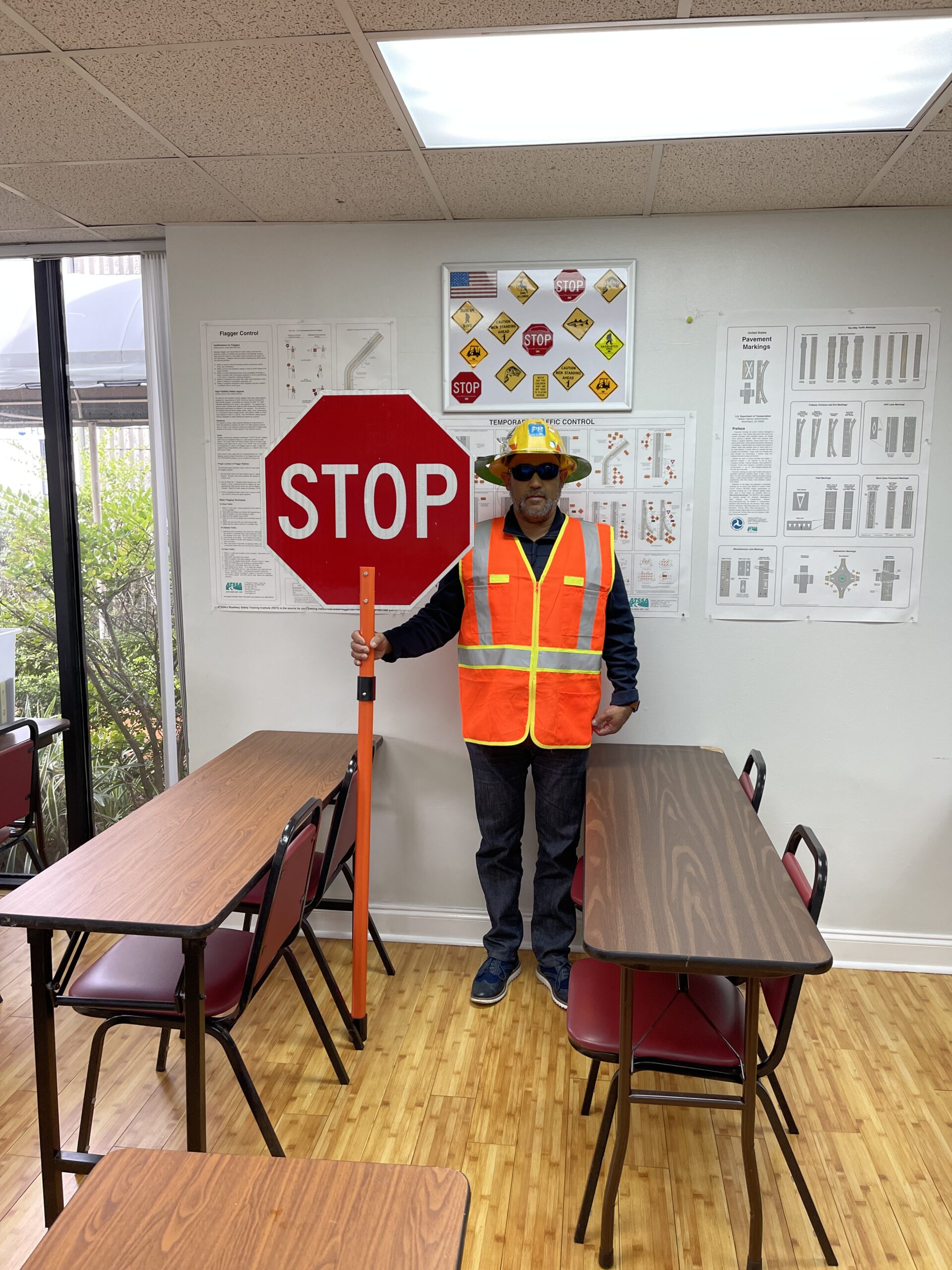
The MOT/TTC Basic Flagger Course is essential for personnel responsible for safely directing traffic in roadway work zones throughout Florida. Officially classified by FDOT as Flagger Training, this course is part of the state’s Temporary Traffic Control (TTC) framework and is required for workers whose duties include traffic control in work zones. It prepares participants to operate safely and effectively within a temporary traffic control system, helping protect drivers, pedestrians, workers, and overall field operations through proper communication, visibility, organization, and compliance.
MOT/TTC Basic Flagger
The MOT/TTC Basic Flagger course is essential for personnel who need to safely direct traffic in roadway work zones throughout Florida. While many people search for this training as MOT/TTC Basic Flagger, FDOT officially classifies it under Flagger Training, which is required for any worker whose duties include traffic control in a work zone. This course is part of the official Temporary Traffic Control (TTC) framework established by the Florida Department of Transportation and plays a critical role in protecting drivers, pedestrians, workers, and field operations.
The value of MOT/TTC Basic Flagger goes far beyond simply learning when to stop or release traffic. In practice, this course prepares students to perform correctly within a temporary traffic control system that must function with visibility, communication, organization, and regulatory compliance. It is designed to help workers understand their role within a work zone and carry out that responsibility safely and effectively.
Course Overview
The MOT/TTC Basic Flagger course is intended for construction workers, maintenance crews, utility personnel, survey support teams, and others who may need to perform flagging duties in roadway work zones. Within the FDOT training structure, Flagger Training is the foundational category for individuals who directly control traffic in the field, while Intermediate and Advanced levels apply to personnel with higher responsibilities in supervision and traffic control planning.
From an operational perspective, MOT/TTC Basic Flagger helps workers understand how to function within a Temporary Traffic Control plan and how to respond safely in real work zone conditions. It supports knowledge of field procedures, safe traffic direction, and the proper use of flagging techniques and traffic control devices.
What You Will Learn
A strong MOT/TTC Basic Flagger course should prepare students to understand the basics of hand-signaling, proper flagger station placement, visibility requirements, traffic awareness, and the safe use of control devices. Students should become familiar with how a flagger communicates with approaching motorists and how to maintain order and safety in active work zones.
The course should also reinforce key safety standards related to work zone operations. This includes visibility requirements, the proper use of approved apparel, awareness of day and night flagging conditions, and the correct handling of traffic control paddles and related safety equipment.
Another important part of MOT/TTC Basic Flagger training is learning how flagging fits into common roadway layouts and temporary traffic control setups. This gives students practical understanding that can be applied in real-world field conditions, especially in two-lane, two-way traffic operations and other common roadway scenarios.
FDOT Relevance and Training Requirements
FDOT establishes three main TTC training categories: Advanced, Intermediate, and Flagger. Within this structure, Flagger Training is the required category for all personnel performing flagging operations. One important advantage is that this training does not require previous experience or prerequisites, making MOT/TTC Basic Flagger accessible to new workers entering roadway and traffic control environments.
FDOT also recognizes that a higher-level certification can satisfy the requirements of a lower category. This means the requirements covered in MOT/TTC Basic Flagger may also be fulfilled by individuals who already hold Intermediate or Advanced TTC certification. This is especially useful for employers and contractors managing teams with different levels of responsibility.
Certification and Refresher Cycle
The MOT/TTC Basic Flagger course is part of FDOT’s official TTC certification structure. To successfully complete the training, students must pass the required exam and satisfactorily complete classroom exercises. This ensures that the certification reflects both knowledge and practical understanding of flagging responsibilities.
Refresher training is also important for maintaining compliance and staying current with standards. For workers and companies alike, keeping certification active helps support safe field performance and alignment with FDOT expectations.
Who Should Take This Course
The MOT/TTC Basic Flagger course is ideal for roadway construction workers, maintenance personnel, utility crews, field support staff, and contractors who may be responsible for directing traffic in work zones. It is also a smart training option for employers who need their teams to meet FDOT work zone traffic control requirements in Florida.
For organizations, this course helps strengthen compliance, improve operational safety, and prepare workers for field conditions. For individuals, it provides a practical entry point into roadway traffic control responsibilities and helps build confidence in active work zone environments.
Why This Course Matters
Temporary traffic control is not a minor detail in roadway construction or maintenance. An untrained flagger can create confusion, unsafe traffic movement, sudden stops, delays, and increased risk for everyone in the work zone. That is why MOT/TTC Basic Flagger matters so much. It helps workers understand how to communicate clearly with drivers, where to position themselves safely, and how to carry out their duties within a structured TTC system.
From a compliance standpoint, this training is also important because it aligns with FDOT’s broader framework for temporary traffic control and supports safe, standardized work zone operations across Florida.
Career Benefits
Completing a MOT/TTC Basic Flagger course can strengthen the professional profile of workers involved in roadway construction, maintenance, utilities, and traffic-related field operations. Even though it is considered an entry-level TTC certification, it remains valuable because it demonstrates formal preparation in work zone safety and traffic control procedures.
Over time, MOT/TTC Basic Flagger can also serve as a stepping stone toward greater responsibility in traffic control and roadway operations. For workers seeking growth in construction, safety, or field operations, this training provides practical value and supports employability in Florida’s transportation and infrastructure sectors.
| City | Miami |
|---|
Related products

FDOT MOT/TTC TRAINING
FDOT MOT/TTC TRAINING

FDOT MOT/TTC TRAINING

FDOT MOT/TTC TRAINING